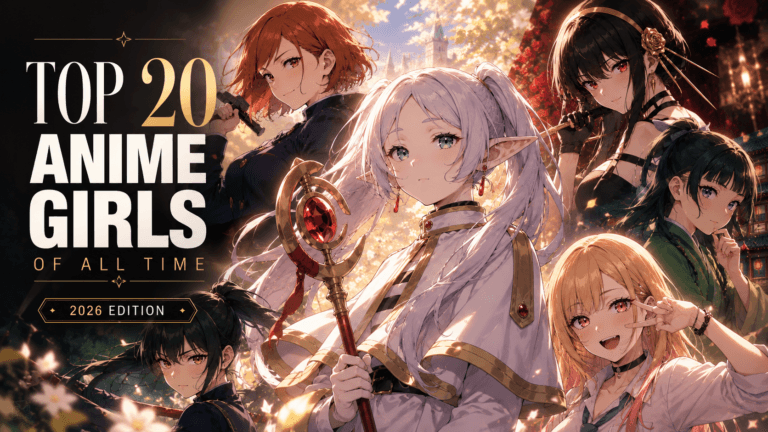
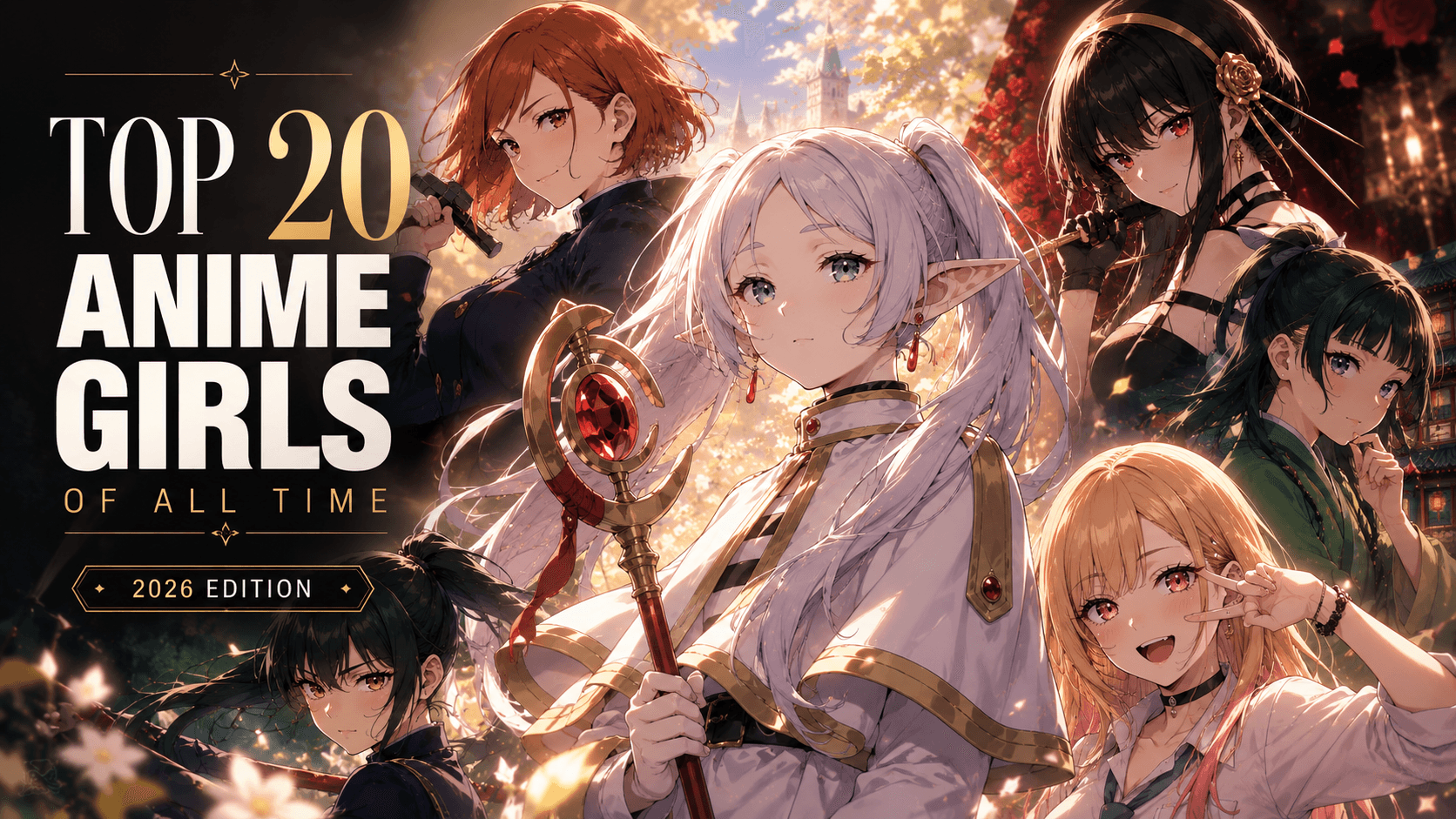
Every few months, someone on r/anime starts a “who’s actually best girl” thread, and every few months it turns into a 400-comment argument that solves nothing. That’s kind of the point. Anime girls don’t get ranked because fans agree — they get ranked because everyone’s convinced their pick deserves the top spot and is willing to die on that hill.
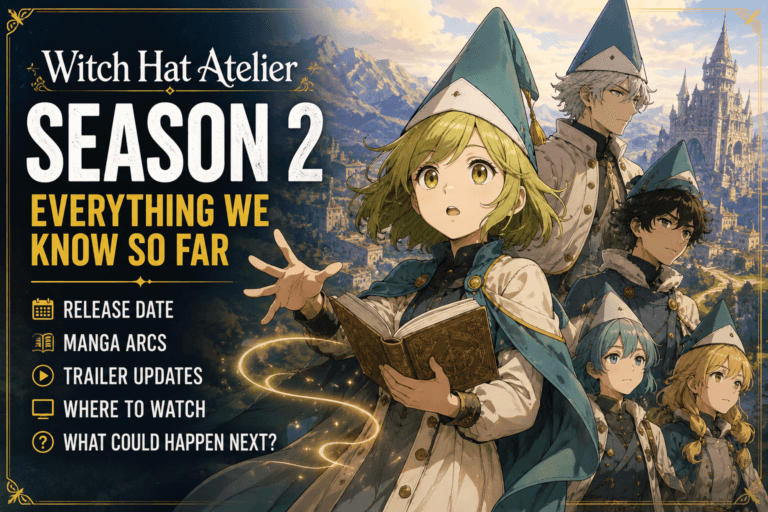
This list isn’t trying to end the argument. It’s trying to give it better ammunition. We pulled from over a decade of franchise staying power, but we also paid attention to what’s actually happening right now — because 2026 has quietly been one of the best years for anime girls in recent memory. Maki Zenin got a season-defining arc. Witch Hat Atelier introduced Coco to global audiences. A random spring romcom girl named Umi Asanagi briefly took over the Anitrendz character charts. None of that shows up on a “best anime girls” list that was written in 2023 and never updated.
So here’s our take: twenty characters who’ve earned the title through writing, cultural weight, and staying power — plus a heads-up on who’s climbing the ranks as we speak.
Table of Contents
Toggle20. Hinata Hyuga (Naruto)
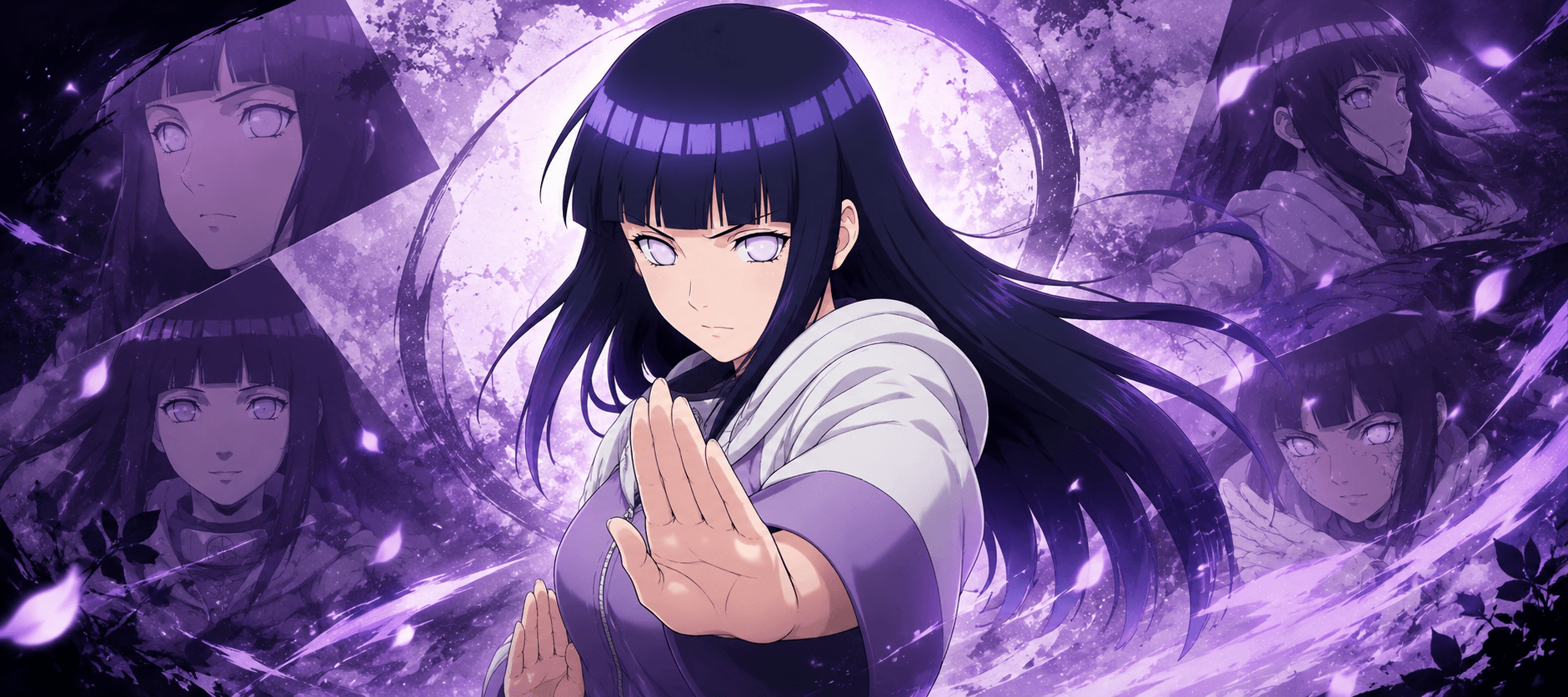
Hinata’s glow-up is the template every “shy girl becomes a fighter” arc has been chasing since. She spends early Naruto stammering and hiding behind her sleeves. By Part II, she’s throwing herself in front of Pain to protect the boy she’s loved since they were kids. That confession scene is still one of the most quoted moments in shonen history.
Her arc actually resolves, which is rarer than it should be. Plenty of shonen heroines get frozen in “supportive love interest” mode forever. Hinata gets a wedding, a kid, and a Boruto-era presence that still matters.
19. Nami (One Piece)
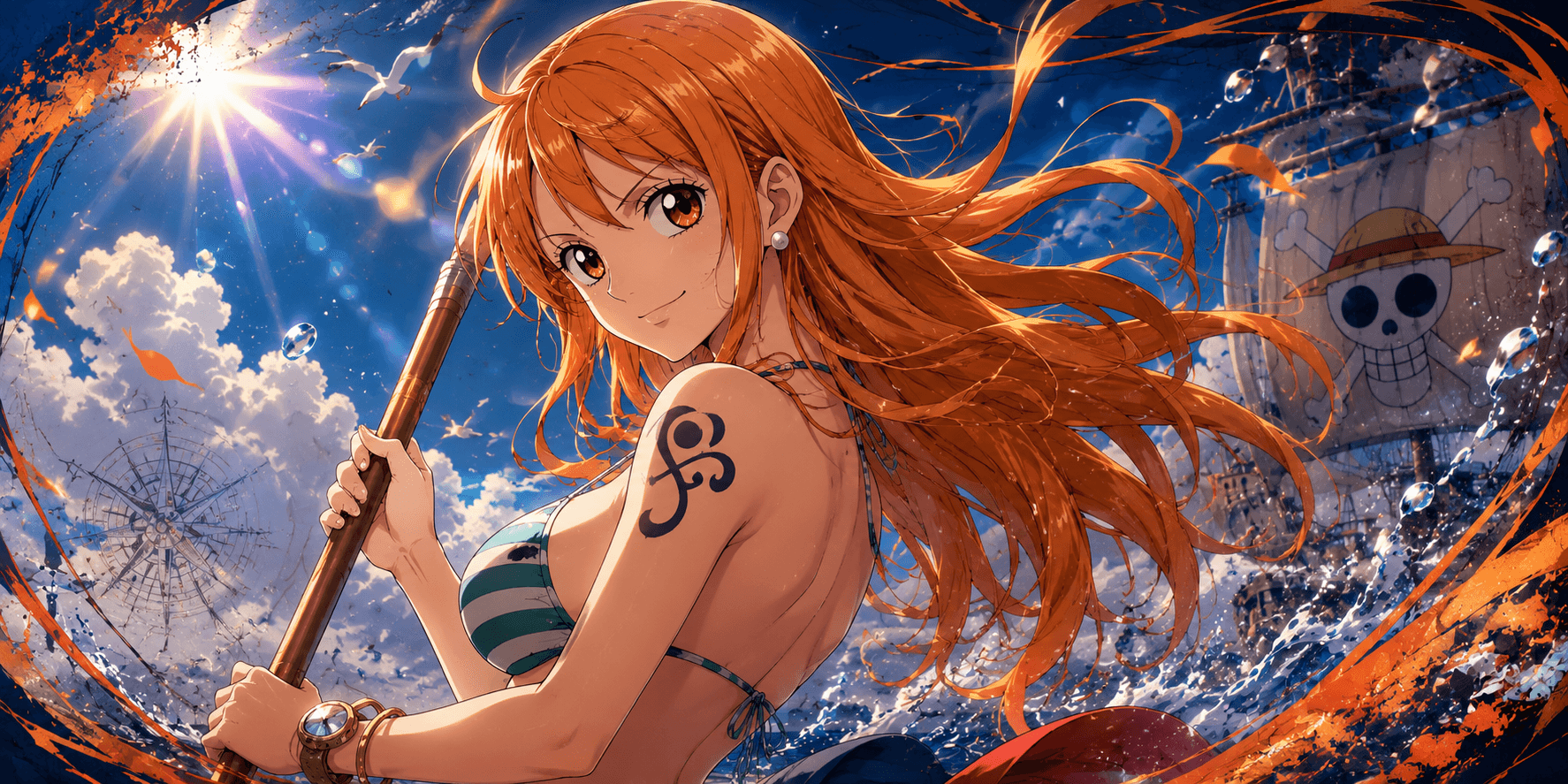
Nami’s been a Straw Hat for over 25 years, and she’s never once needed to be rescued to justify her spot on the crew. Eiichiro Oda built her backstory — Bell-mère, Arlong Park, the eight-year debt to buy back her village — into one of the emotional high points of early One Piece, and it still lands on a rewatch.
She’s also funny, which gets underrated in “best girl” conversations that lean too hard into tragedy. The greed jokes, the bounty-hunting instincts, the willingness to smack Luffy upside the head when he’s being an idiot — Nami has range most early One Piece characters didn’t get.
18. Rukia Kuchiki (Bleach)
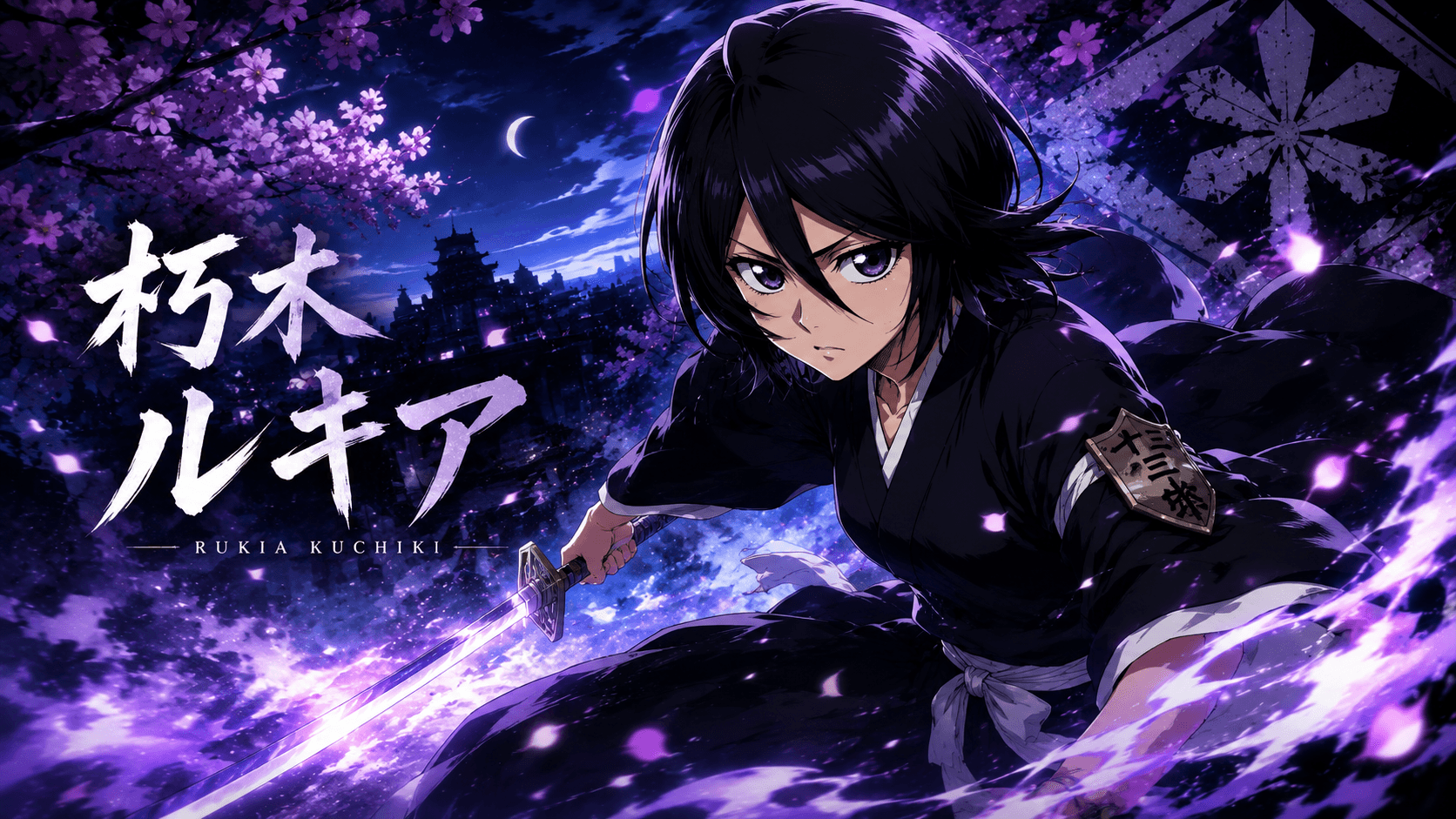
No Rukia, no Bleach. She hands Ichigo her Soul Reaper powers in chapter one and kicks off one of the biggest shonen franchises of the 2000s by accident. Bleach: Thousand-Year Blood War gave her a second wind — her Bankai reveal during the final arc introduced her to a generation of fans who’d only heard about the original series secondhand.
Rukia’s cool, dry delivery against Ichigo’s hot-headedness is one of anime’s better odd-couple dynamics. It’s held up across two decades and a full franchise revival, which says a lot about how well she was written the first time.
17. Holo (Spice and Wolf)
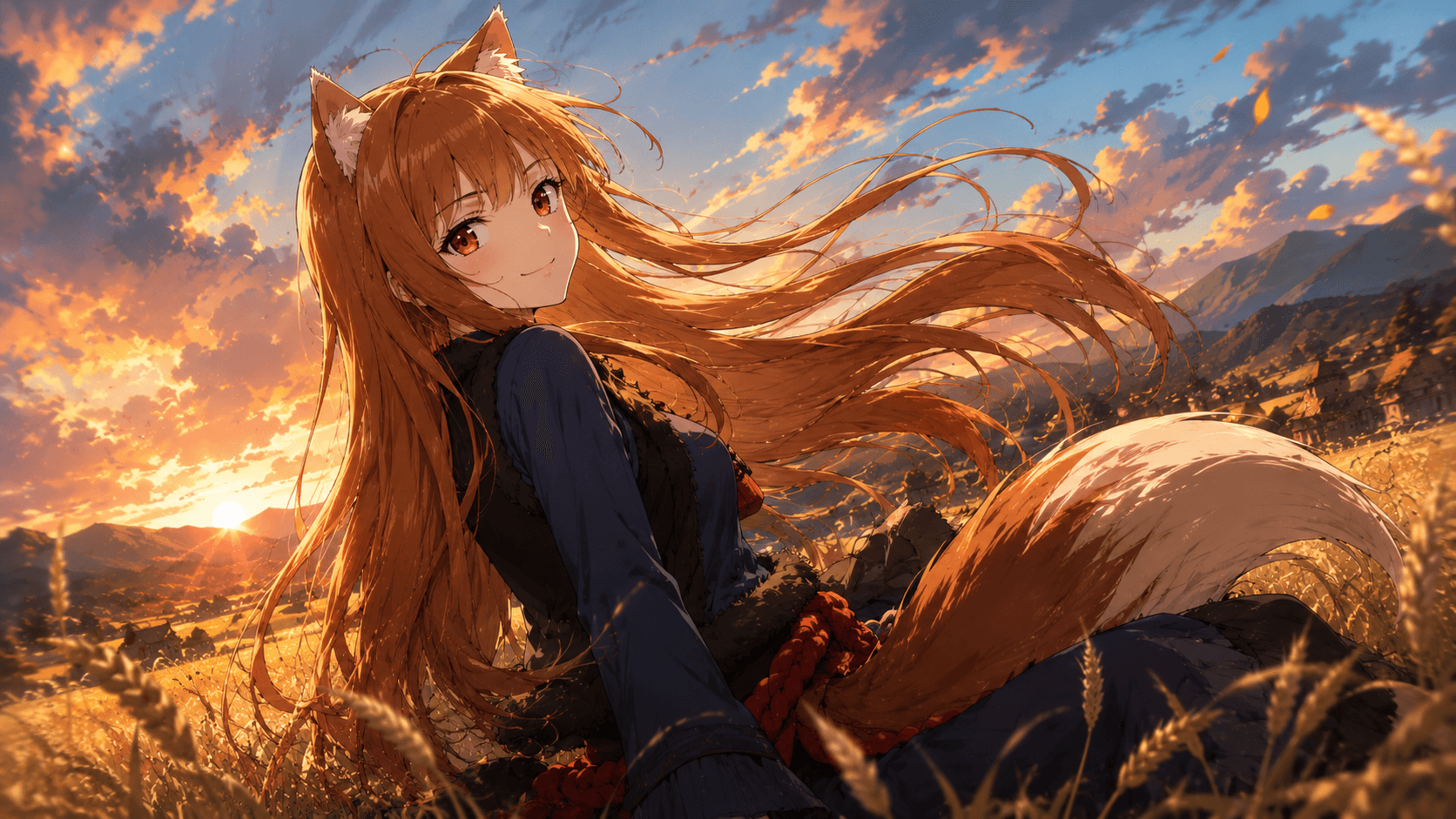
The Wise Wolf doesn’t get talked about as much as the names higher on this list, but ask anyone who’s actually watched Spice and Wolf and Holo comes up fast. Her chemistry with Kraft Lawrence runs almost entirely on banter and economics, which sounds like a joke until you watch how much tension the show wrings out of a merchant negotiation scene.
The 2024 remake handed her a new generation of fans who’d never have stumbled onto the 2008 original, and her wit hasn’t aged a day. Not many “centuries-old being learning to connect with mortals” characters pull it off with this much sarcasm.
16. Saber (Fate Series)
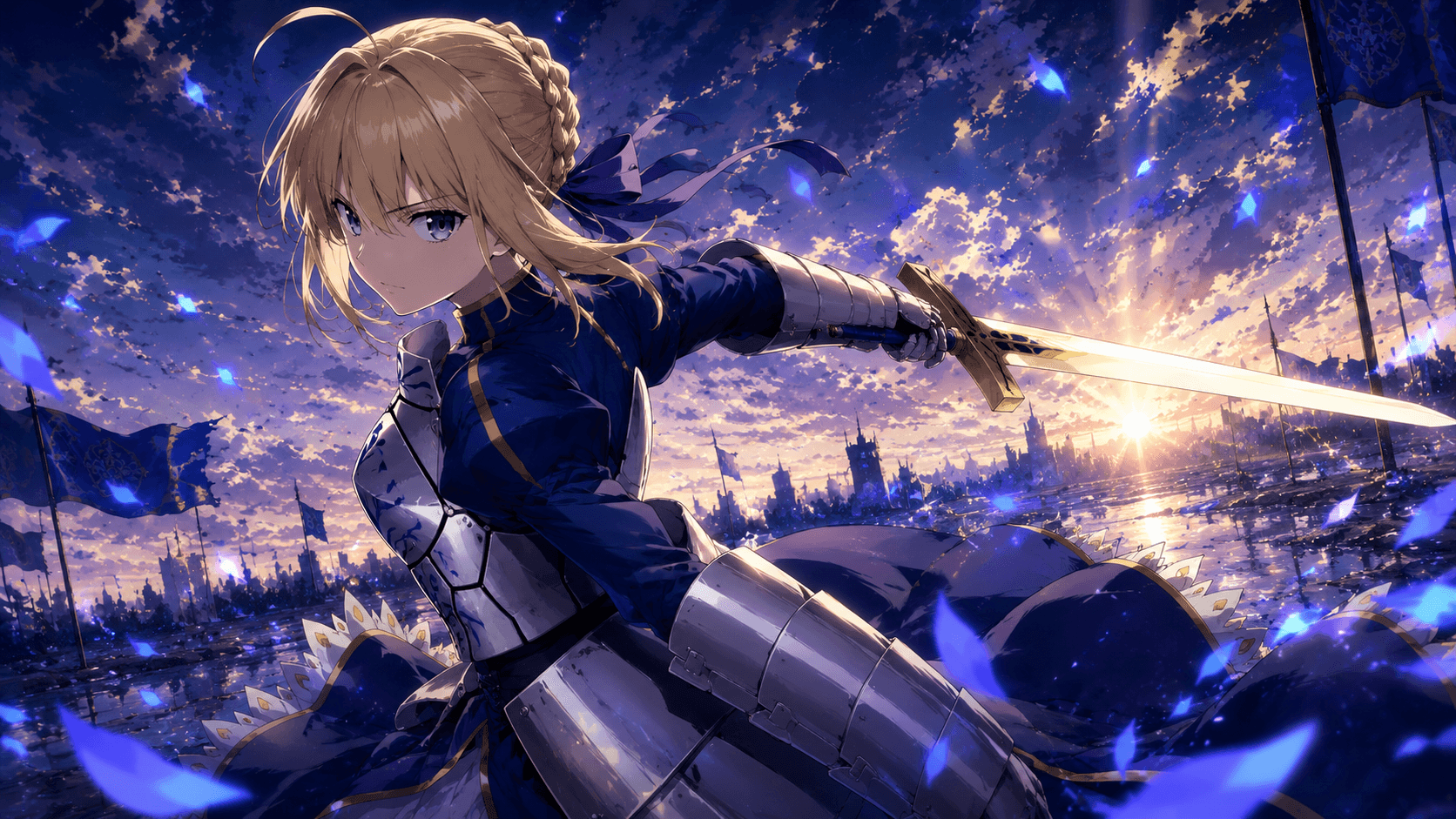
Artoria Pendragon is the face of Fate for a reason — she’s usually the entry point no matter which route a new fan starts with. The knightly code, the quiet grief over Camelot’s failure, and that unmistakable silhouette have made her one of the most reproduced character designs in anime merchandising history.
Saber works as both an ideal and a person. She’s introduced as basically untouchable — strongest Servant, unwavering resolve — and the franchise spends years chipping away at that to reveal someone exhausted by the weight of being a symbol.
15. Shinobu Kocho (Demon Slayer)
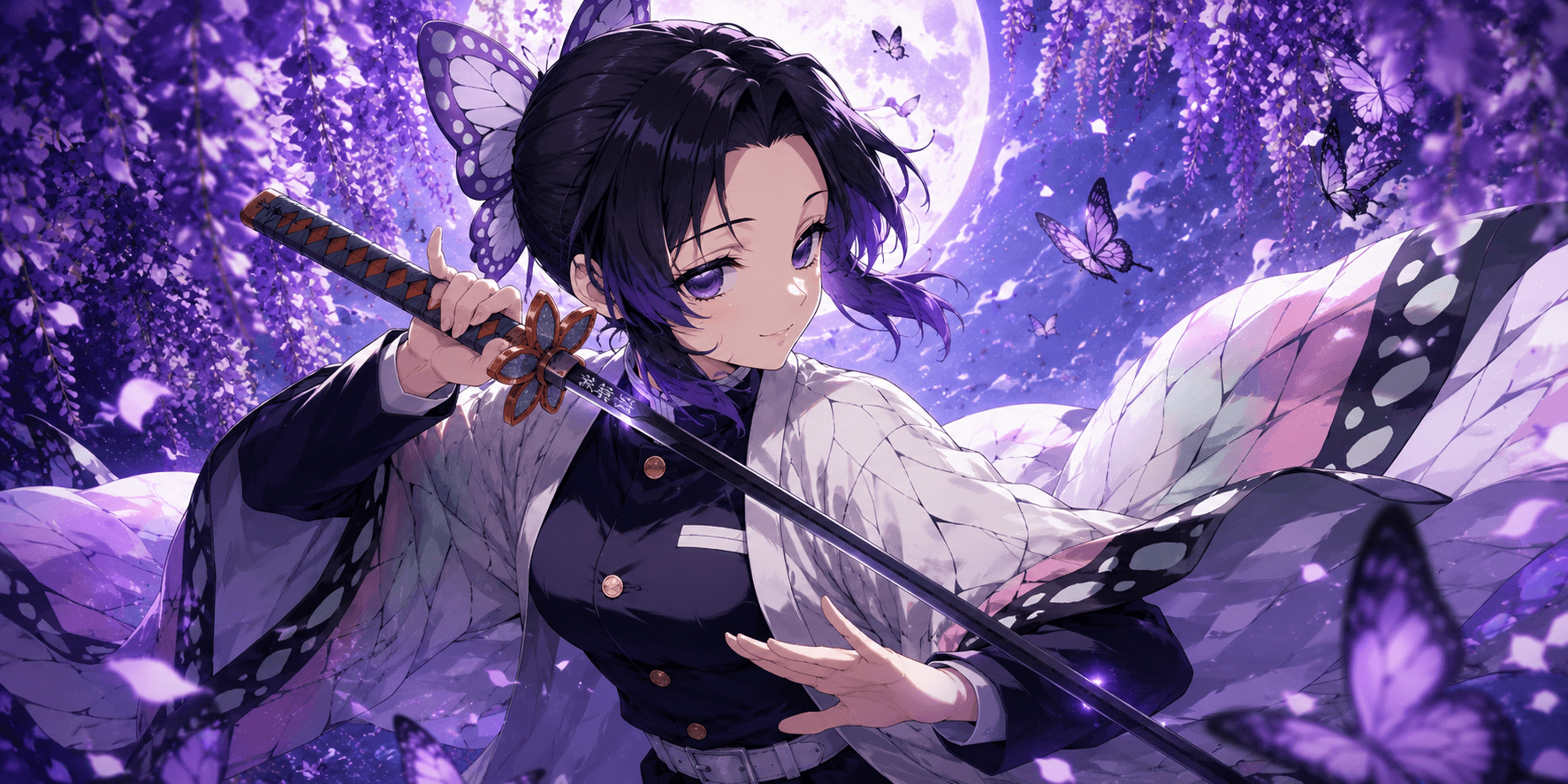
Shinobu smiles through almost everything, and that’s the whole trick. Underneath the calm demeanor is grief that would break most characters outright — her sister Kanae’s death at the hands of a demon drives every decision she makes for the rest of the series.
Her fighting style — poison over brute force, since she physically can’t out-muscle a demon — is one of Demon Slayer’s smarter pieces of world-building. Her final stand against Doma is one of the more devastating supporting-character send-offs in modern shonen.
14. Zero Two (Darling in the Franxx)
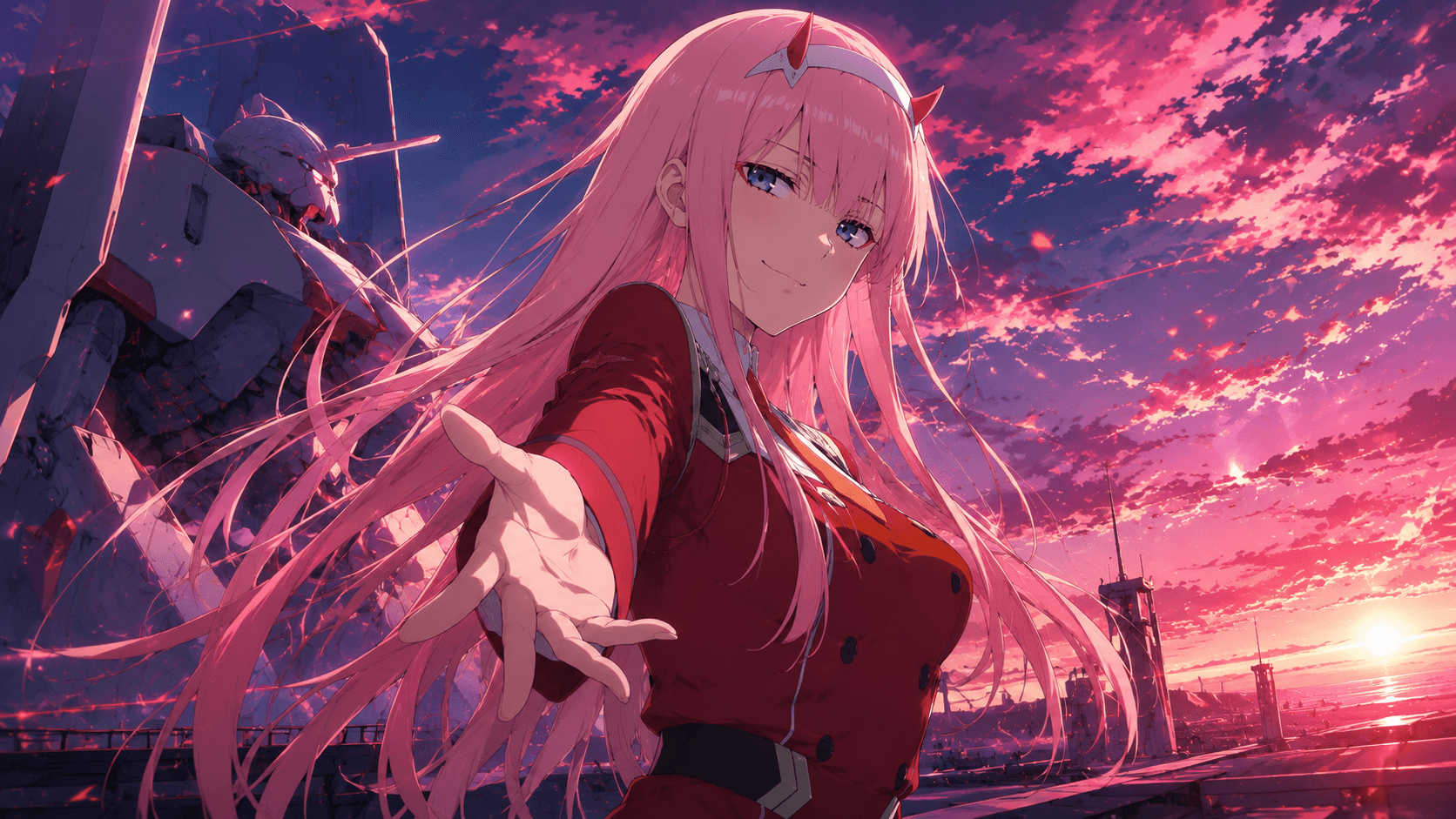
Darling in the Franxx is a divisive show — ask five fans and you’ll get five different opinions on the back half — but almost nobody disputes that Zero Two became a genuine internet phenomenon. The pink hair, the horns, and the “I’ll become a real human” arc gave her a 2018 breakout that’s still visible in cosplay circuits and fan art tags years later.
Her cultural footprint outgrew the show that made her. Plenty of people who’ve never finished Darling in the Franxx could still pick Zero Two out of a lineup.
13. Kaguya Shinomiya (Kaguya-sama: Love Is War)
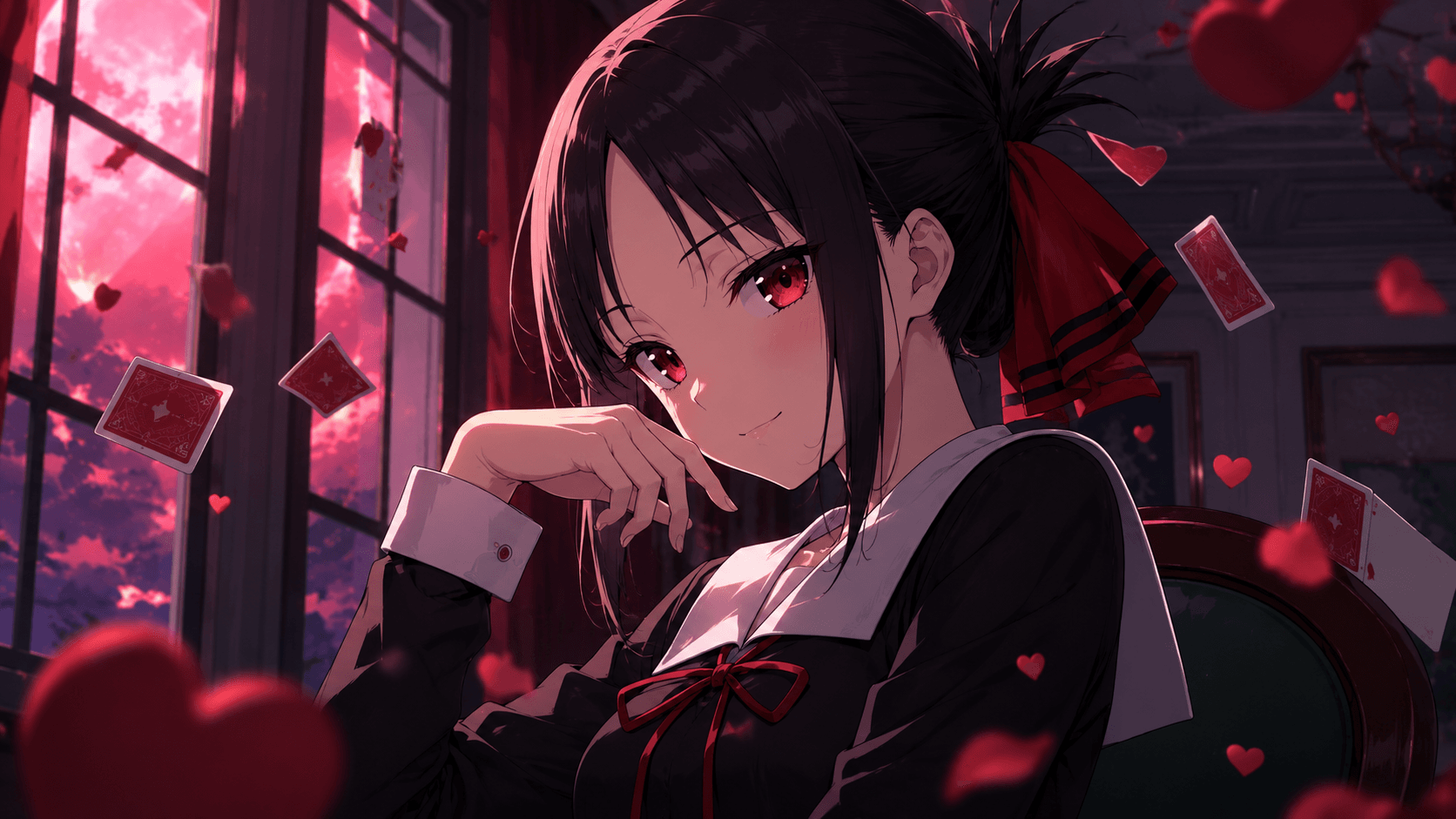
Kaguya-sama turned “two geniuses too proud to confess their feelings” into one of the funniest running gags in modern rom-com anime, and Kaguya is the half of that equation with the most room to grow. She starts the series as an emotionally repressed strategist who can out-scheme anyone except herself.
The slow unraveling of her composure as the series goes on — especially once real vulnerability starts leaking through the schemes — is some of the better character writing the genre has produced in years.
12. Nezuko Kamado (Demon Slayer)
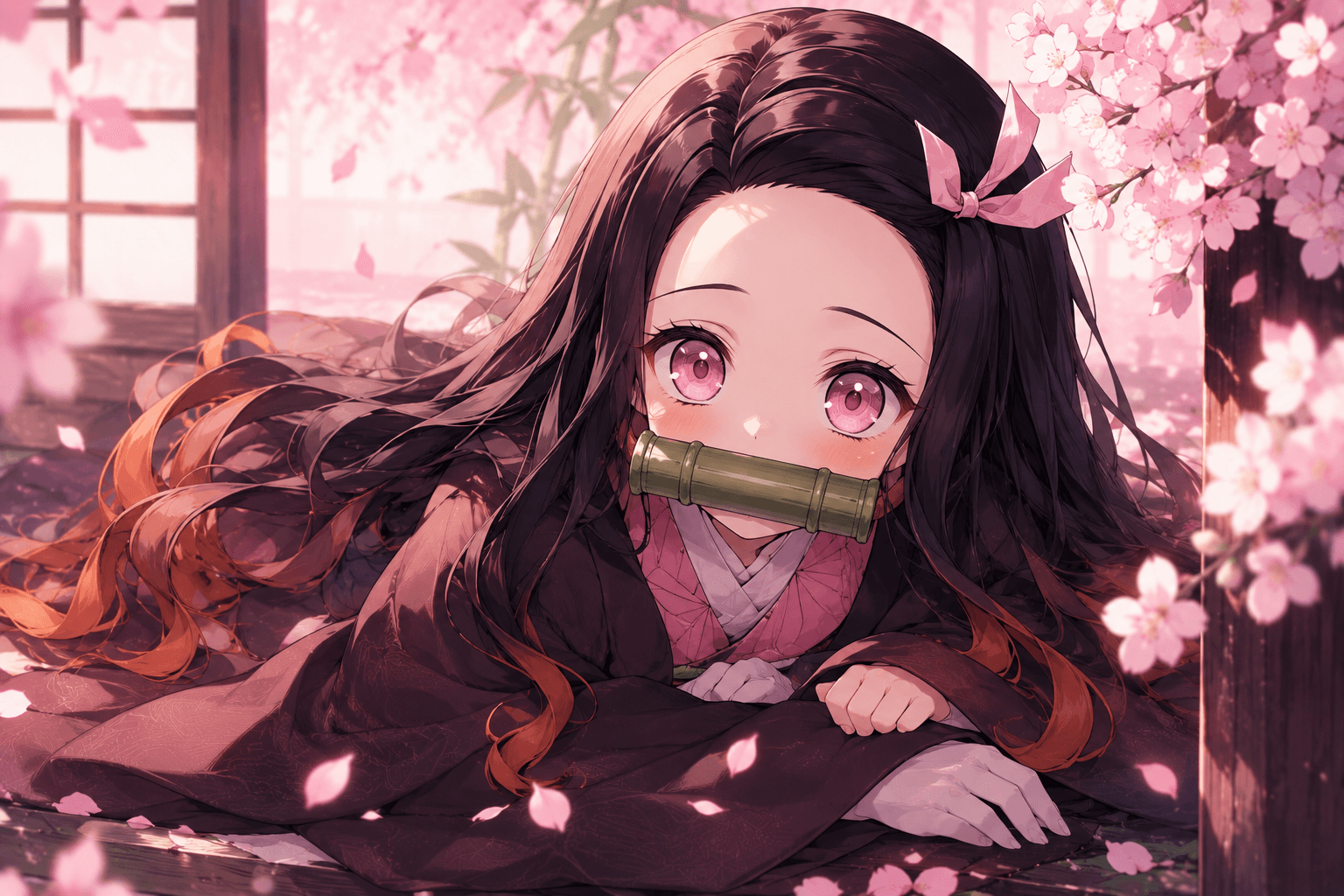
Nezuko barely talks for most of Demon Slayer and still became one of the faces of the franchise’s global explosion. The bamboo muzzle, the protective fury toward Tanjiro, the design that’s instantly recognizable even to people who’ve never watched the show — that’s iconography most franchises chase for decades and never catch.
Her arc isn’t just “cute demon sister,” either. Her control over her bloodlust, her breakthroughs in the Swordsmith Village arc, and her own fighting capability give her more substance than the marketing usually credits her for.
11. Mai Sakurajima (Rascal Does Not Dream of Bunny Girl Senpai)
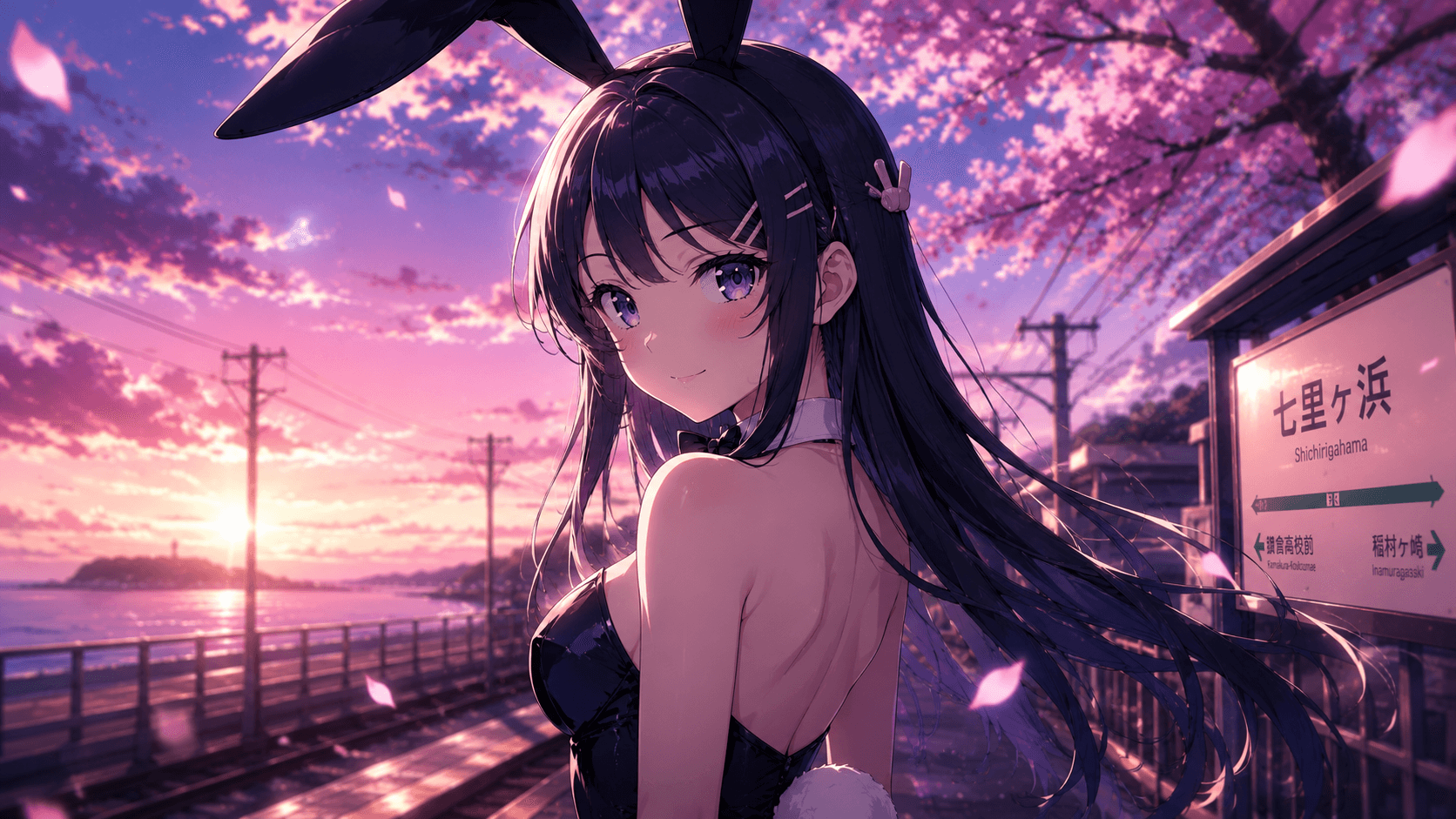
Mai wins “best girl” polls for the most boring possible reason: she’s just really well written. Smart, dry, supportive without being a pushover, funny without needing to be the butt of the joke — Mai feels like someone who could exist outside the anime she’s in.
Her relationship with Sakuta runs on mutual respect instead of misunderstanding-driven drama, and Bunny Girl Senpai is better for it. “Mature romance lead” doesn’t have to mean flat or humorless, and Mai is the proof.
10. Rem (Re:ZERO)
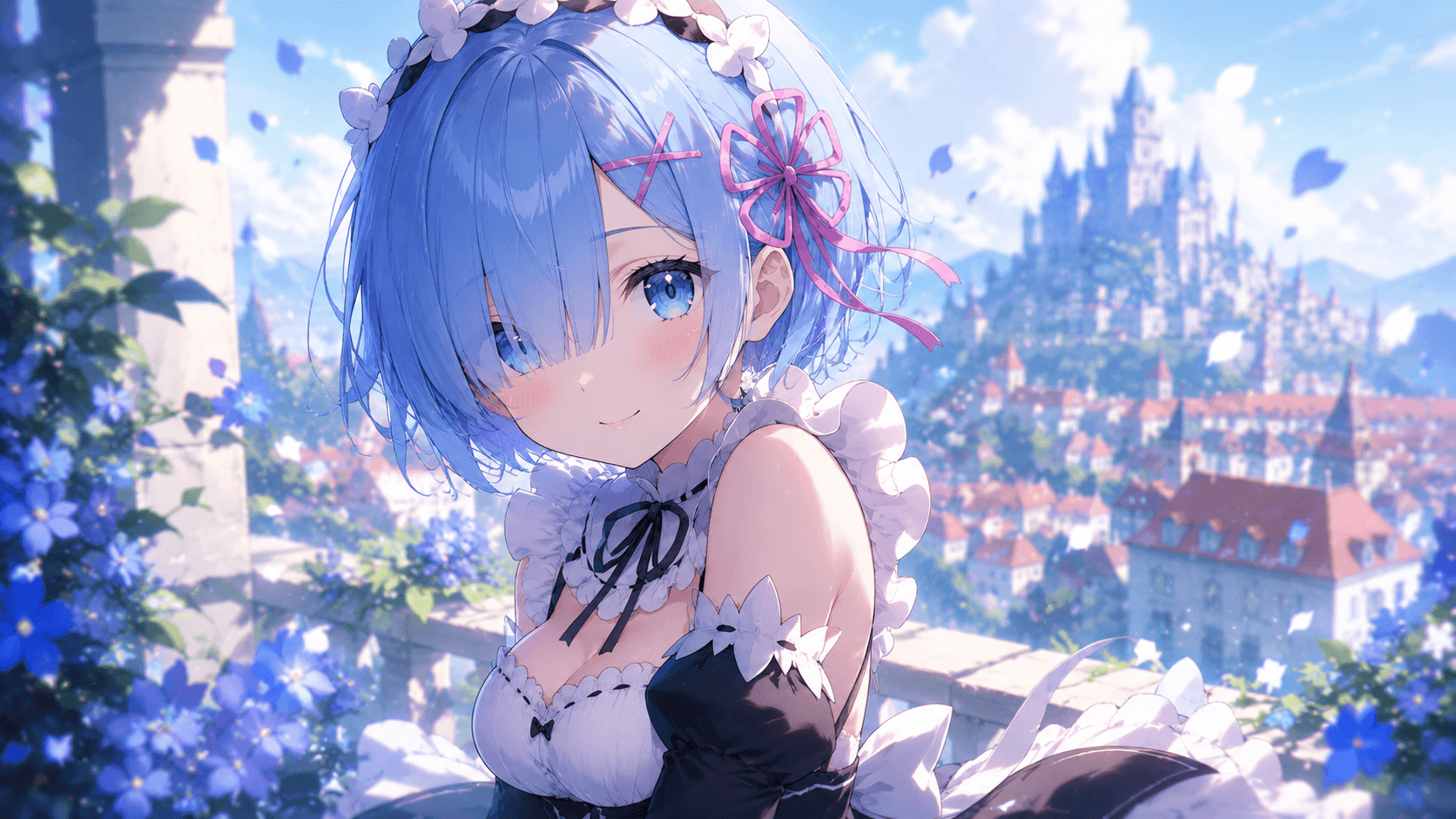
For a huge chunk of the anime fandom, Rem isn’t just a favorite character — she’s the waifu, full stop. Her loyalty to Subaru, her backstory of growing up overshadowed by her twin sister Ram, and that confession scene that still circulates in anime meme culture combine into one of the most genuinely beloved characters the medium has produced in the last decade.
Re:ZERO has had years of new content since her introduction, and Rem’s popularity hasn’t budged. That’s a character who earned a permanent spot in the conversation, not one riding nostalgia.
9. Mikasa Ackerman (Attack on Titan)
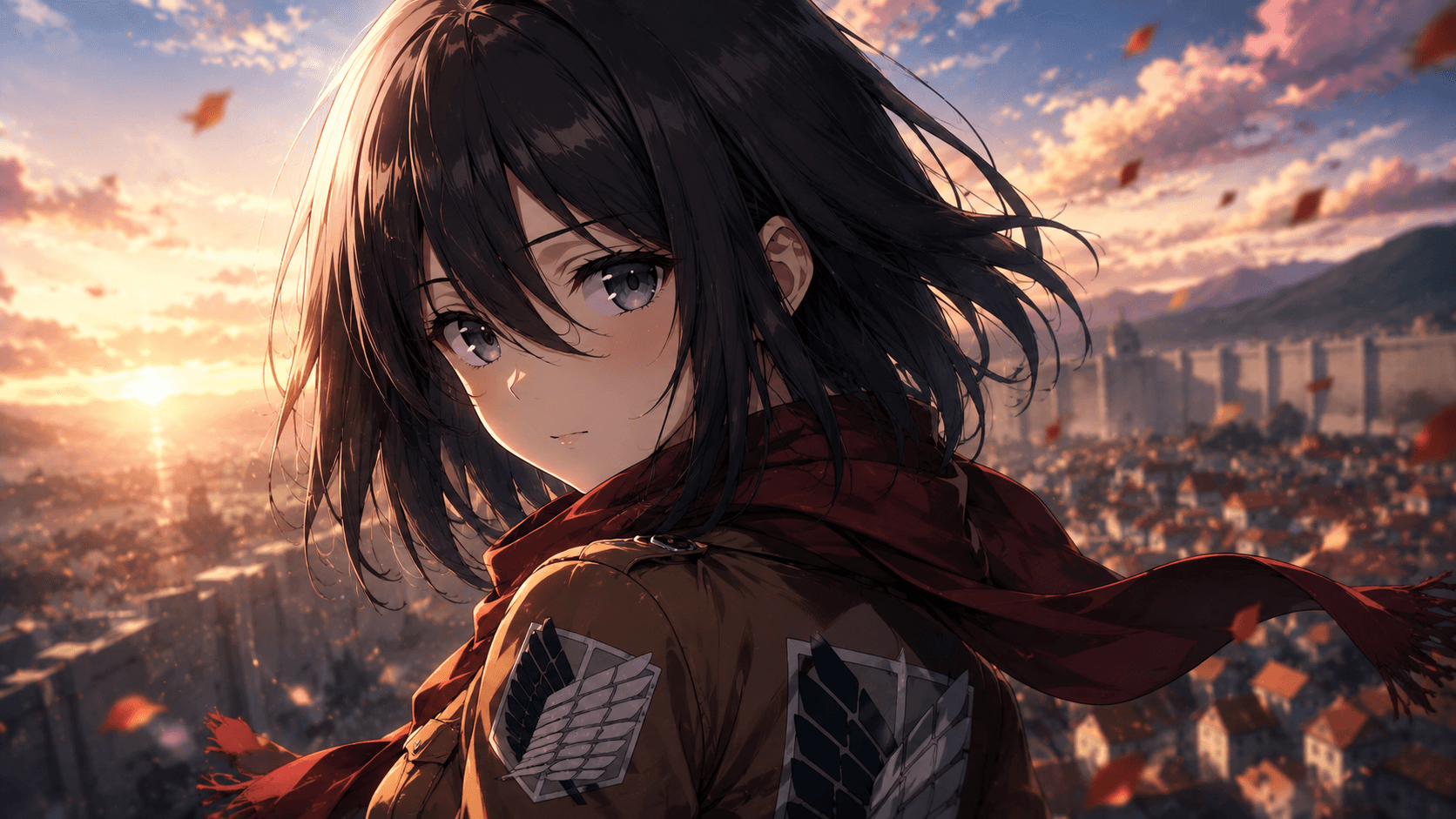
Mikasa redefined what a female action lead could look like in modern shonen — not the character who gets protected, but one of the strongest soldiers in the Scout Regiment, full stop. Her devotion to Eren is intense enough that the series treats it as its own thematic question rather than a quiet romantic subplot.
Attack on Titan ended years ago and Mikasa’s popularity has barely dipped since 2013. That kind of staying power, in a franchise that put every character through hell, isn’t an accident.
8. Asuna Yuuki (Sword Art Online)
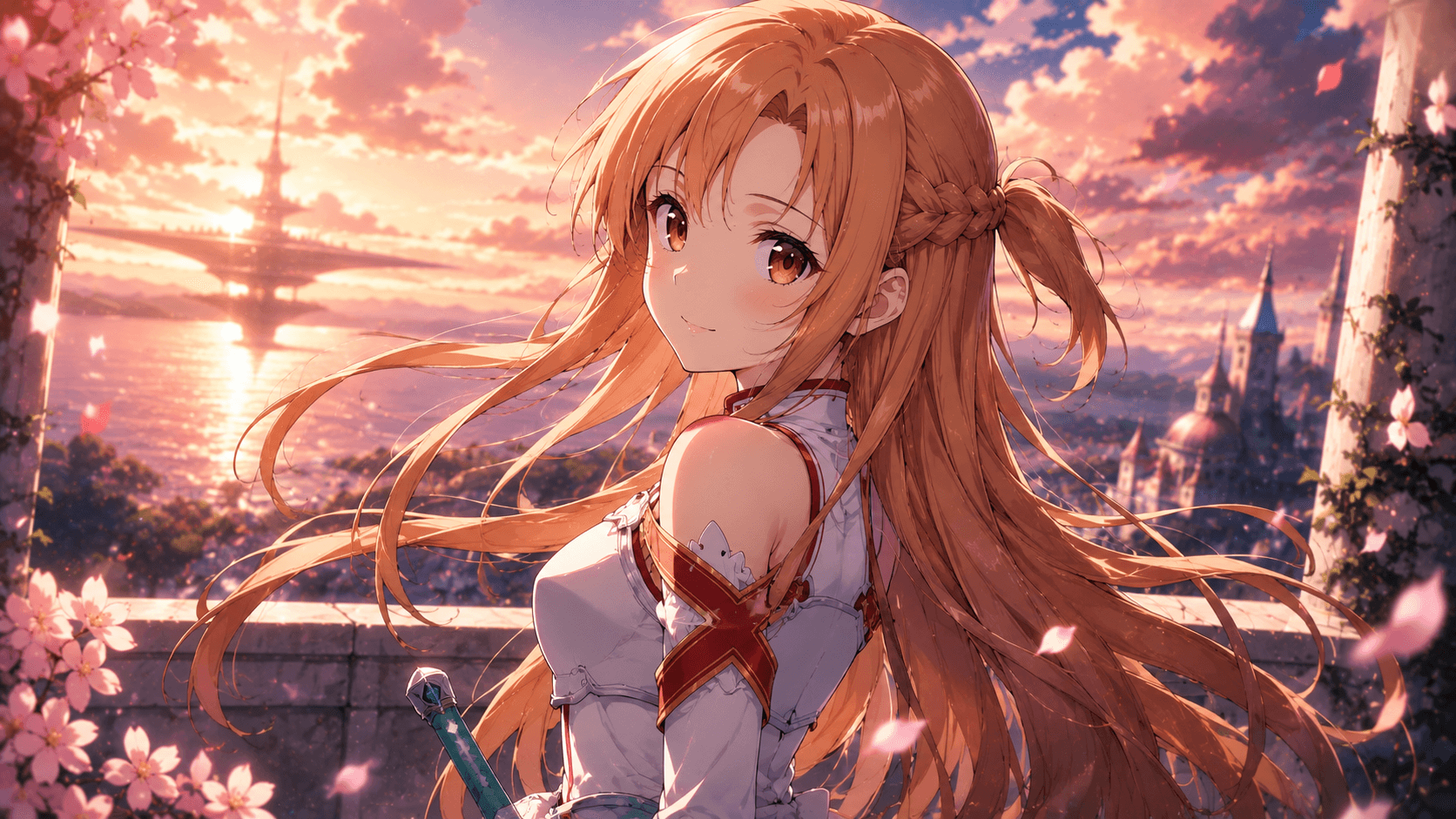
Before Marin, before Yor, before Frieren, there was Asuna. For most of the 2010s she was the standard every other anime heroine got measured against, and her popularity genuinely helped define an era of anime fandom rather than just riding along with it.
Her sword skills, her leadership inside the SAO death game, and her chemistry with Kirito made her a fixture of “best girl” discourse for years. More than a decade later, she’s still instantly recognizable — more than most early-2010s anime leads can claim.
7. Marin Kitagawa (My Dress-Up Darling)
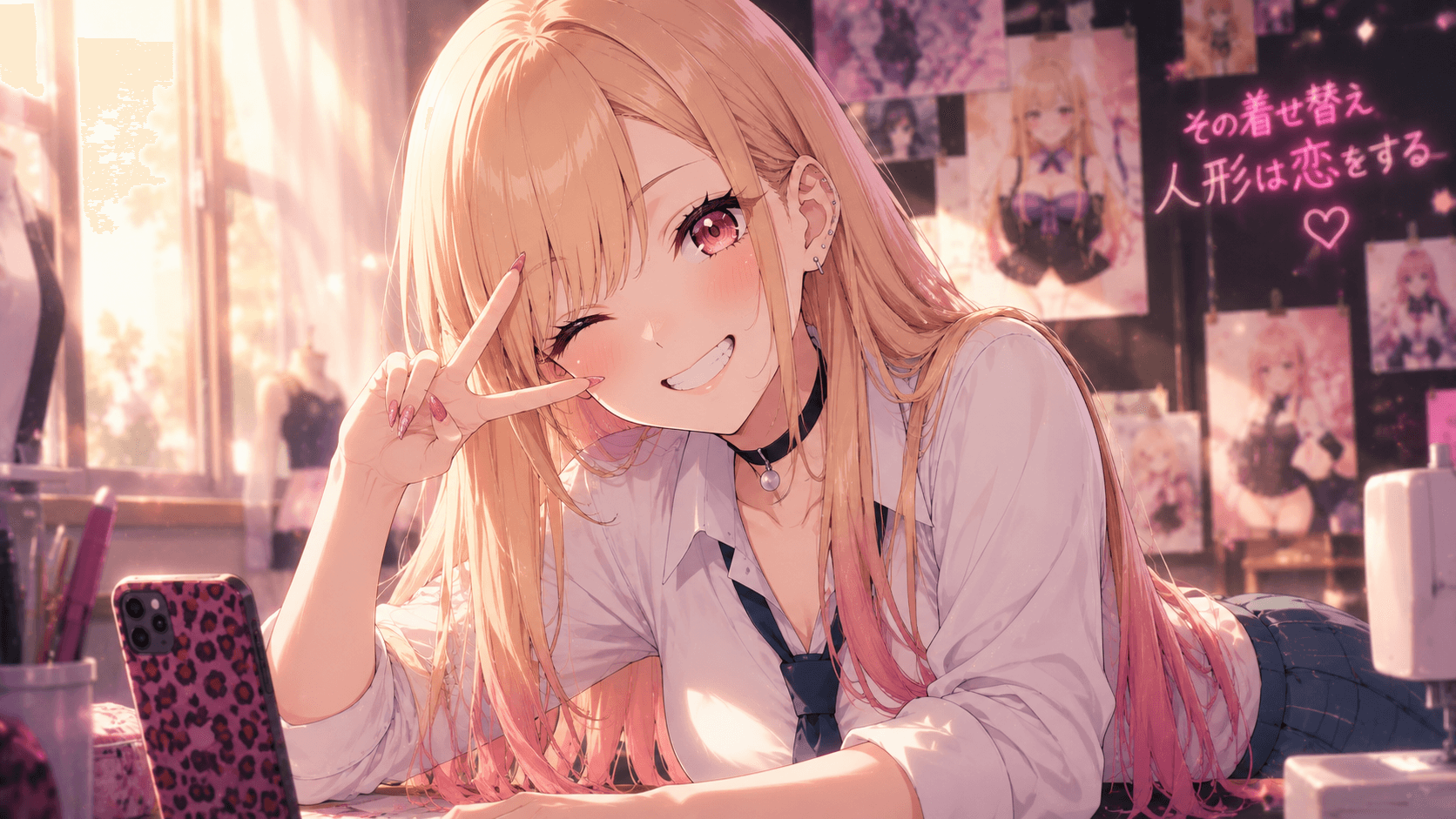
Marin revitalized the modern rom-com almost overnight. The reason is simple: she doesn’t perform enthusiasm, she just has it. Her love of cosplay, her total lack of self-consciousness about her interests, and the genuine warmth she shows Gojo make her feel like an actual person who happens to be really into costuming, not a trope dressed up as one.
Her relationship with Gojo works because she’s straightforward about what she wants. That’s rarer than it should be in a genre that usually leans on contrived misunderstandings.
6. Maomao (The Apothecary Diaries)
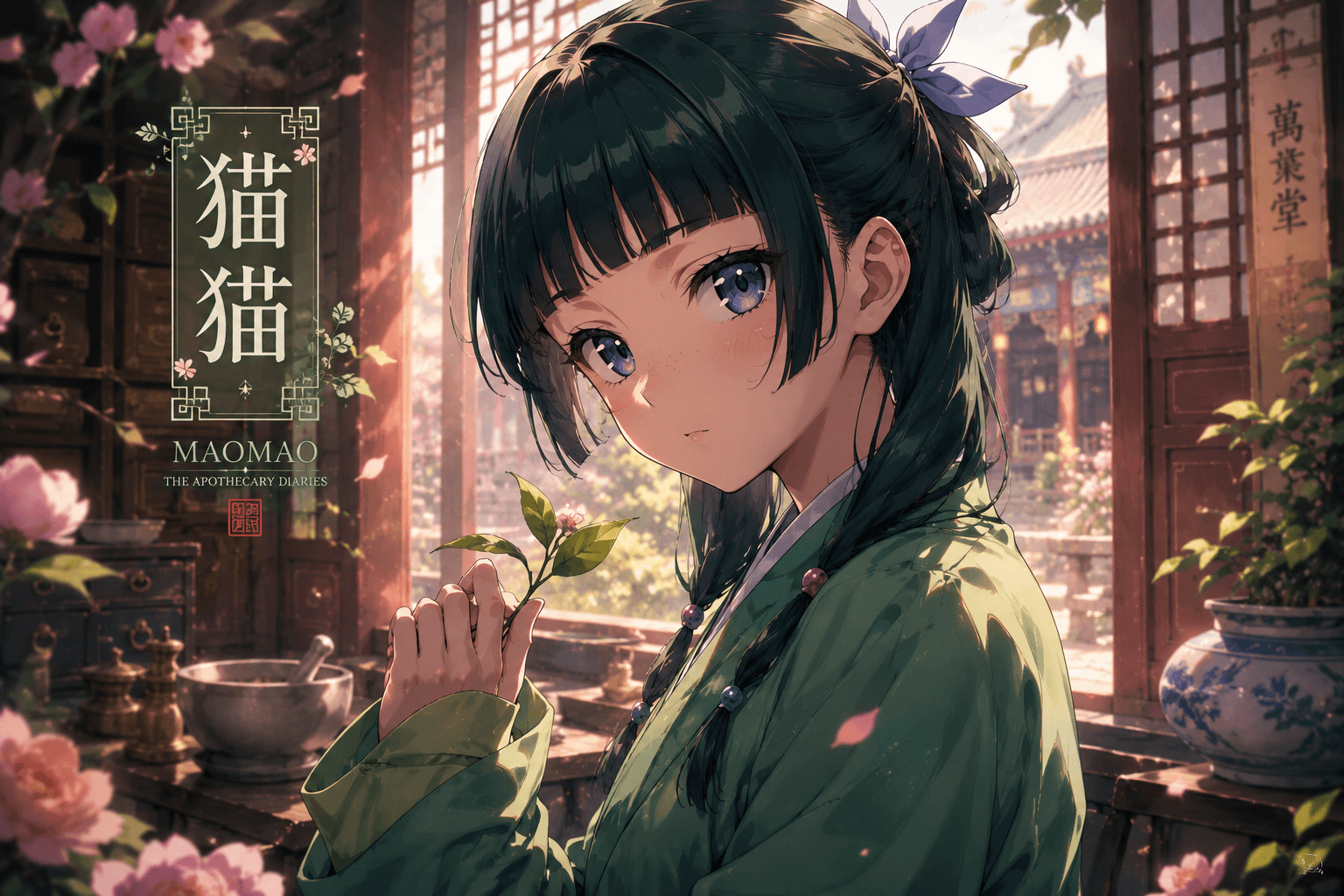
Maomao might be the best-written protagonist on this entire list. Her sharp intelligence, her complete disinterest in court politics except where they intersect with poison and medicine, and her dry, almost antisocial humor set her apart from the typical “kind, gentle heroine” mold.
Season 2 ranked as the most-watched anime series of 2025 across major Japanese streaming platforms, and Aoi Yuki took home Best Voice Artist Performance at the Crunchyroll Anime Awards for the role. With Season 3 confirmed for an October 2026 premiere, Maomao’s stock is only going up from here.
5. Coco (Witch Hat Atelier)
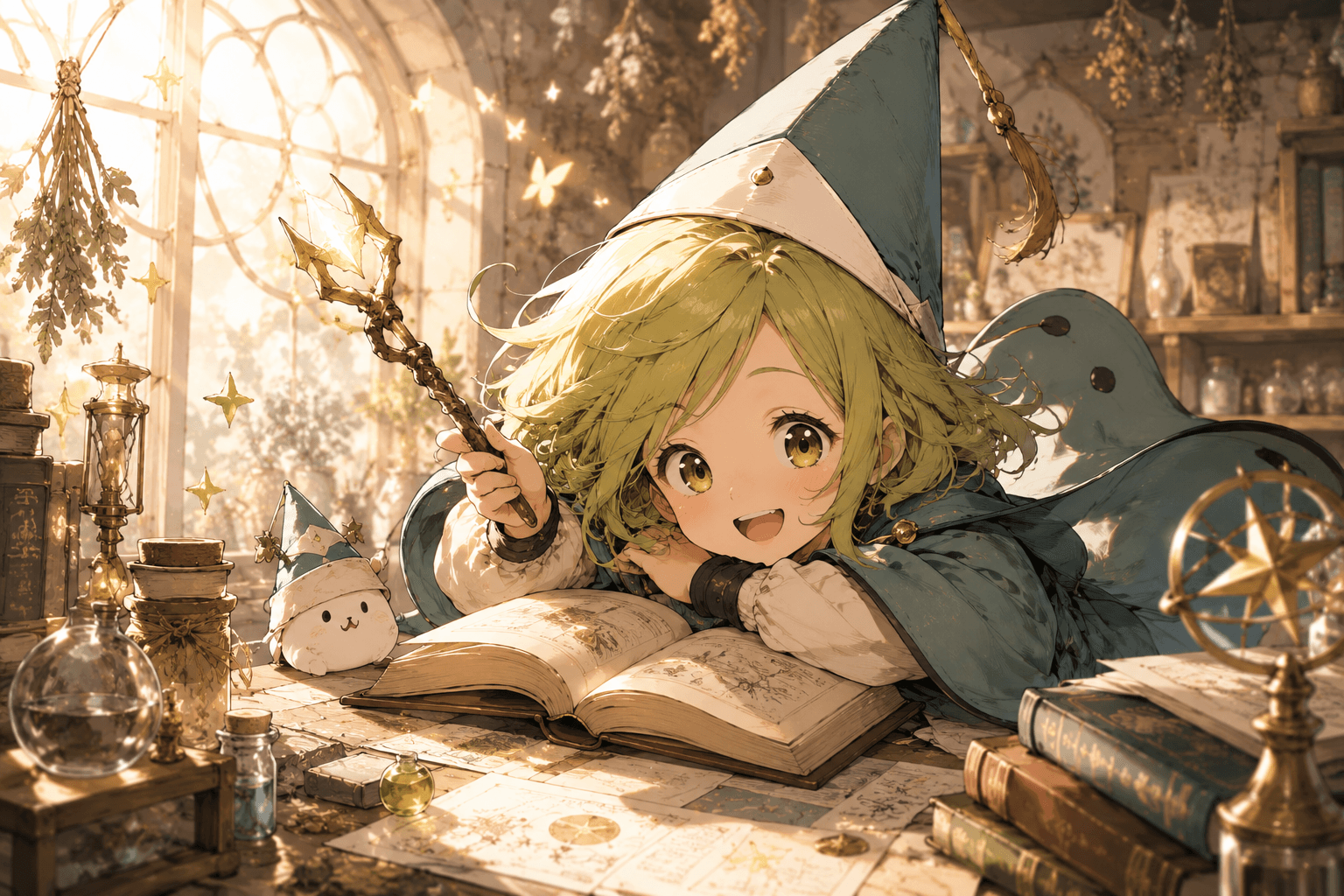
A year ago, Witch Hat Atelier’s Coco wouldn’t have made anyone’s shortlist for 2026’s biggest “best girl” breakout. That’s exactly why she belongs here now. Coco’s dream of becoming a witch despite being born without magical aptitude, and the accidental forbidden spell that turned her own mother to crystal, gives her one of the more emotionally loaded premises in recent fantasy anime.
Studio Bug’s adaptation, which aired from April through June 2026, drew praise repeatedly for its animation quality. Coco’s childlike wonder toward a magic system most of the cast treats as mundane gives the show its emotional center. She’s not flashy. She doesn’t need to be.
4. Maki Zenin (Jujutsu Kaisen)
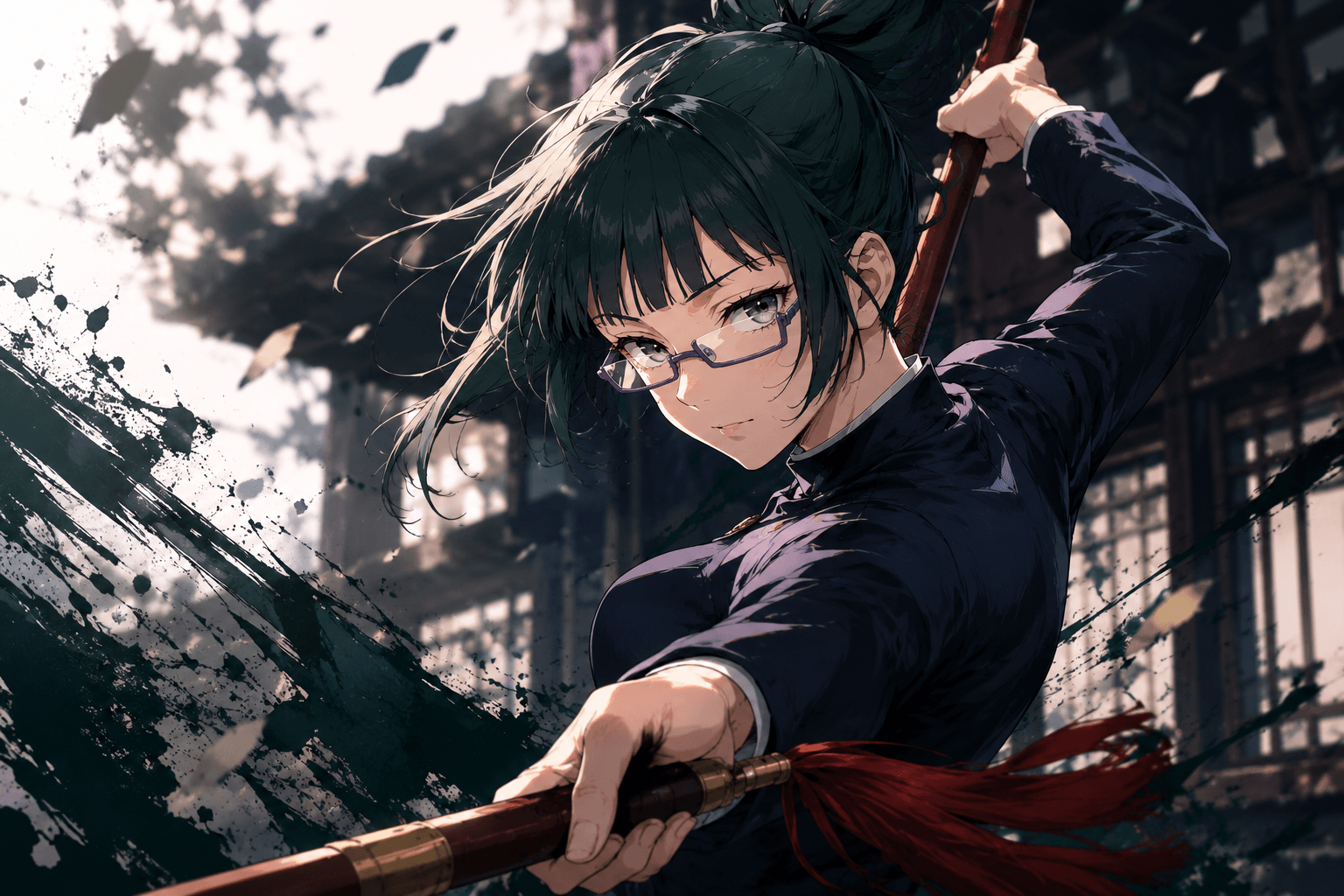
Jujutsu Kaisen Season 3 had a stacked year, but no single episode hit harder than Episode 4, “Perfect Preparation.” Maki’s awakening into a perfect Heavenly Restriction — the same zero-cursed-energy state that made Toji Fushiguro untouchable — comes at the cost of her twin sister Mai’s life. The fallout is one of the most brutal, cathartic sequences MAPPA has animated in years.
It’s not subtle about its influences either; the sequence where Maki tears through the Zenin clan’s enforcers borrows its visual language directly from Kill Bill, and it earns the comparison. Maki spent years treated as the disposable twin by a clan obsessed with bloodline purity. Watching her dismantle that entire system in a single episode is the kind of payoff that doesn’t come around often, even in a genre built on power fantasies.
3. Yor Forger (Spy x Family)
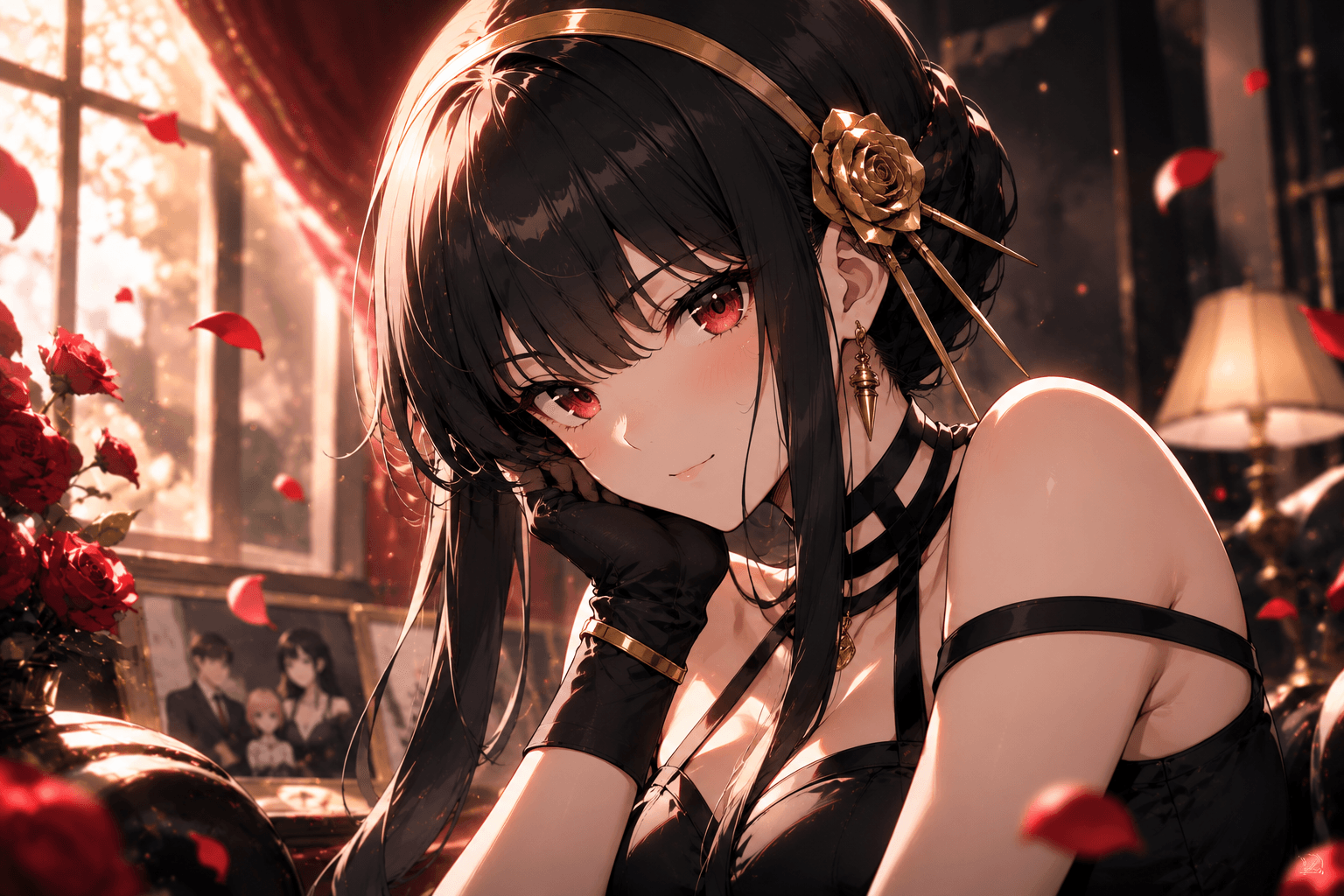
Yor is the complete package. She’s a lethal assassin, a genuinely loving (if oblivious) mother figure, and one of the funniest characters in a show already stacked with comedic talent. The gap between “Thorn Princess who can take out a building full of mercenaries solo” and “anxious wife who has no idea how to bake a normal cake” is the entire engine of her appeal.
Spy x Family’s blend of action, domestic comedy, and surprisingly sincere family dynamics doesn’t work without Yor holding down the emotional and comedic center of it. Few characters get equally beloved for their fight scenes and their sitcom-style misadventures.
2. Nobara Kugisaki (Jujutsu Kaisen)
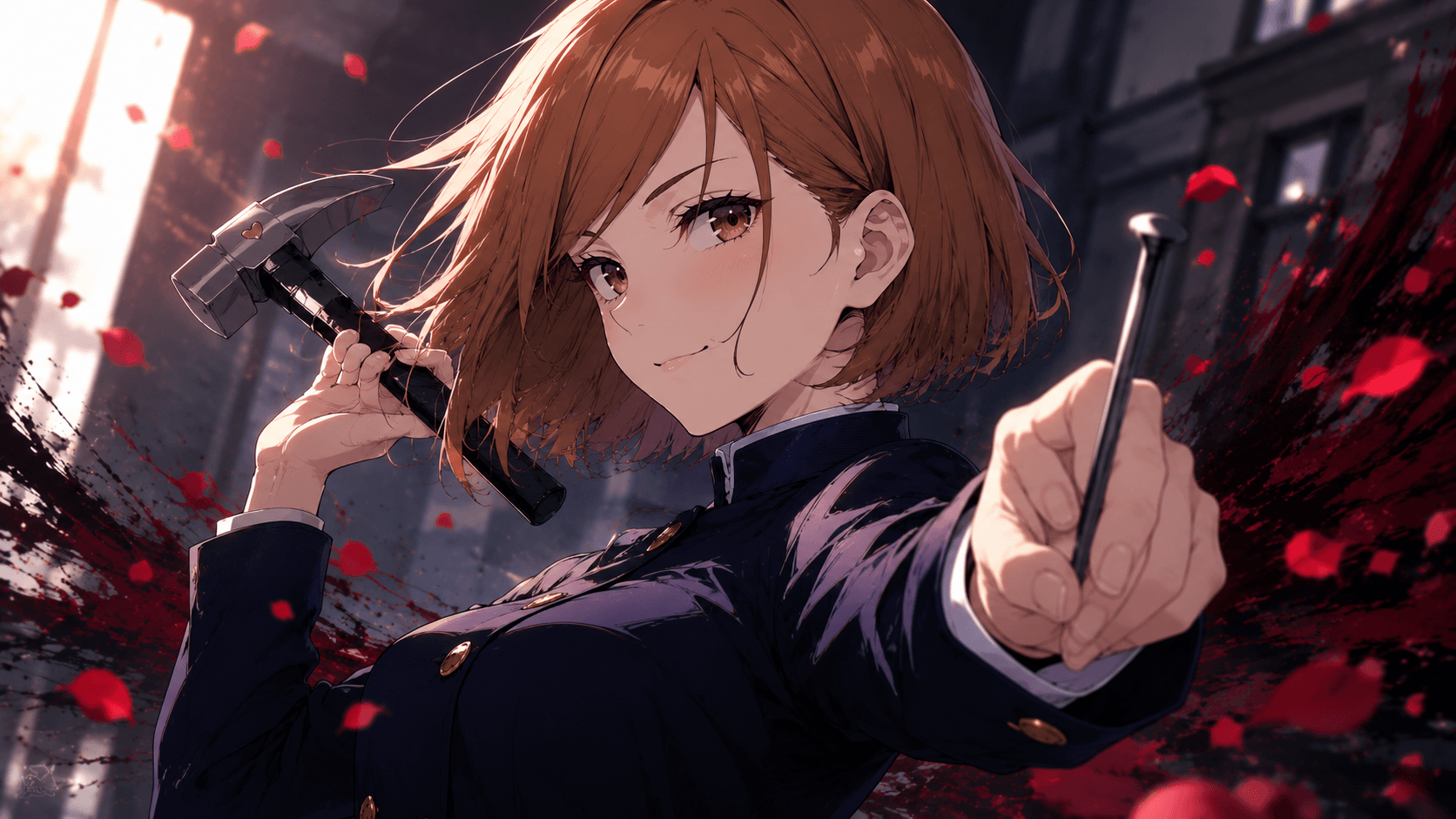
When Jujutsu Kaisen debuted, Nobara stood out immediately — confident, stylish, and built on a refusal to compromise who she is, even when that confidence puts her at odds with the people around her. She never reads as a side character propping up Yuji and Megumi’s arcs. She’s running her own story the entire time.
She’s stayed this popular years after her introduction, through multiple seasons that didn’t always center her. Few shonen heroines get that much staying power without constant screen time to maintain it.
1. Frieren (Frieren: Beyond Journey’s End)
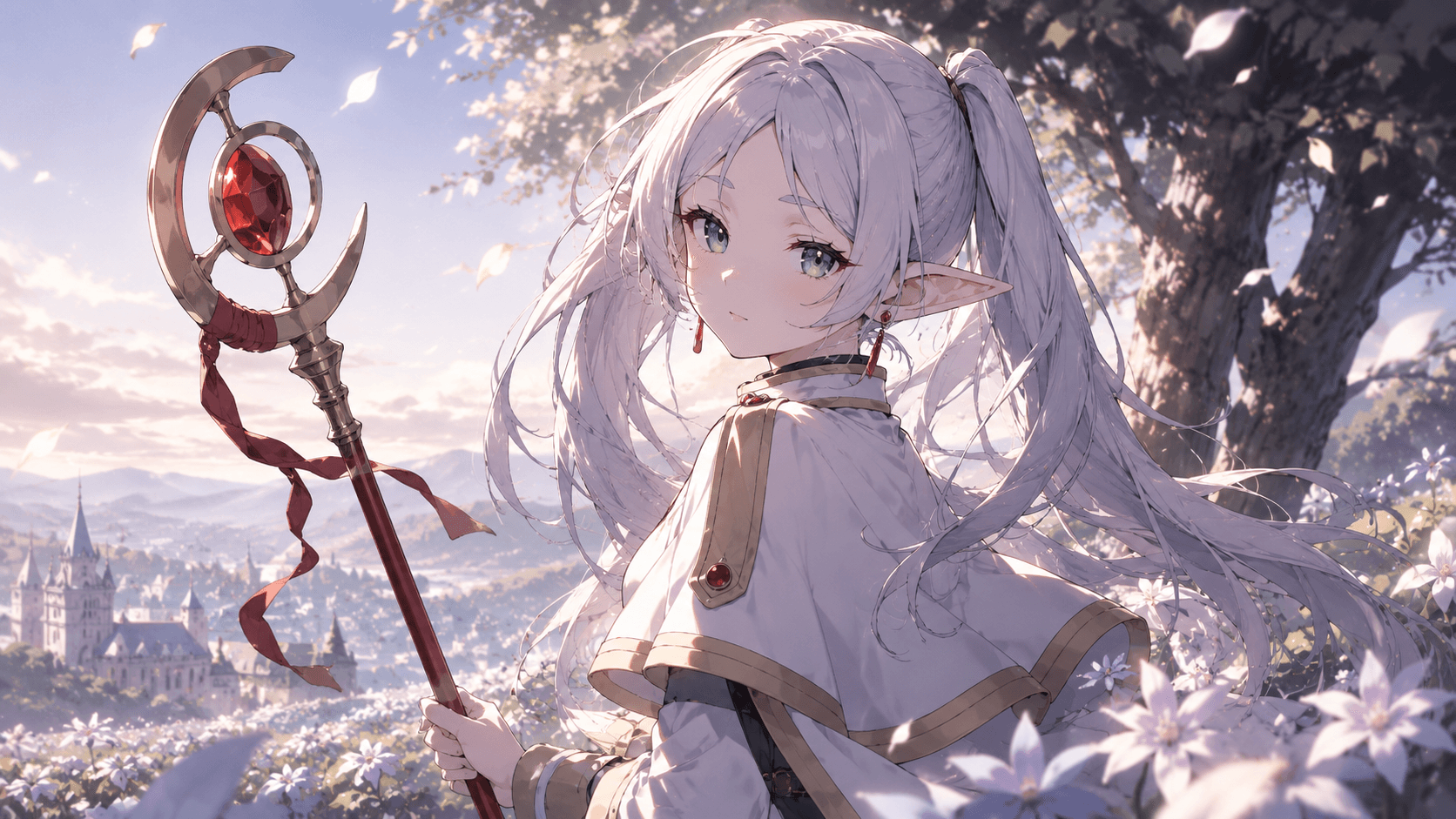
No anime girl has captured audiences quite like Frieren, and she does it almost the opposite of how anime usually grabs attention. There’s no flashy power-up moment driving her appeal. It’s the quiet, centuries-long perspective she carries on grief, regret, and what it means to actually know someone, set against a cast that’s aging and dying around her in what feels, to her, like the blink of an eye.
Season 2 wrapped its run from January through March 2026. The shorter 10-episode structure took the anime through roughly the manga’s Chapter 80, closing out the Northern Plateau and Bridge arc — a genuinely different pace from Season 1’s 28-episode, 60-chapter adaptation. Frieren doesn’t need spectacle to stay the most talked-about character in the room. That’s the whole point.
Where Things Stand for Each 2026 Pick
Quick status check for anyone trying to figure out what’s airing, what’s confirmed, and what’s still up in the air.
| Anime | Current Status | Next Confirmed Release | Where to Watch |
|---|---|---|---|
| Frieren: Beyond Journey’s End | Season 2 finished (Mar 2026) | Not yet announced | Crunchyroll, Netflix |
| Jujutsu Kaisen | Season 3 finished | Not yet announced | Crunchyroll |
| Witch Hat Atelier | Season 1 finished (Jun 2026) | Season 2: not yet confirmed | Crunchyroll |
| The Apothecary Diaries | Between seasons | Season 3 Part 1: October 2026 | Crunchyroll, Netflix (select regions) |
One thing worth flagging clearly: that October 2026 Apothecary Diaries date and the unconfirmed Witch Hat Atelier Season 2 status are both based on the most recent official announcements as of this writing, not guesses dressed up as facts. If you’re tracking either show closely, treat any earlier date you see floating around as outdated until a studio or streaming partner confirms otherwise.
Honorable Mentions
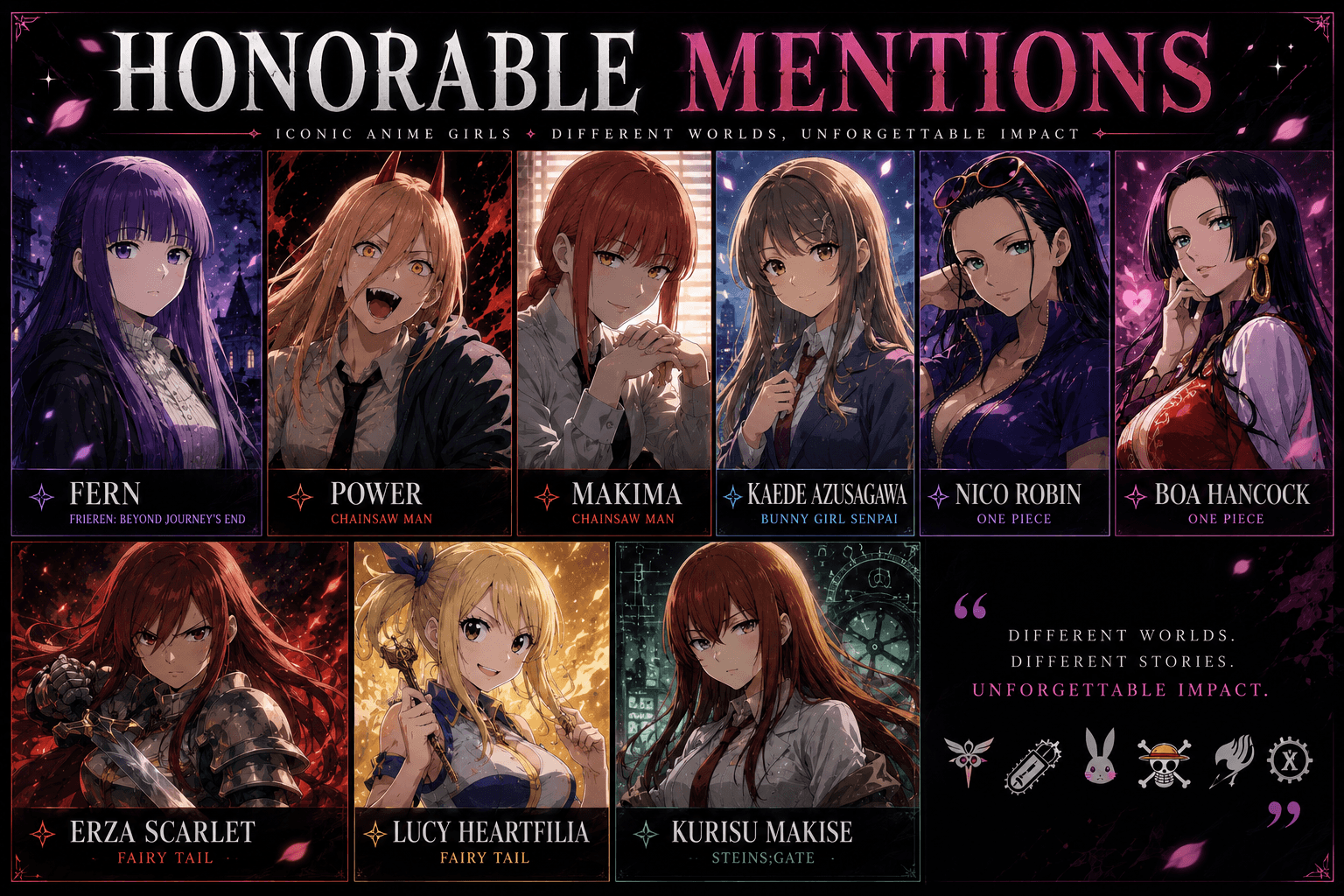
A handful of characters narrowly missed the cut, and most would headline a list like this on a different week:
- Fern (Frieren’s stoic, perpetually exasperated apprentice)
- Power (Chainsaw Man’s chaos incarnate)
- Makima (Chainsaw Man’s most-debated antagonist)
- Kaede Azusagawa (Mai Sakurajima’s Bunny Girl Senpai co-star)
- Nico Robin (One Piece)
- Boa Hancock (One Piece)
- Erza Scarlet (Fairy Tail)
- Lucy Heartfilia (Fairy Tail)
- Kurisu Makise (Steins;Gate)
If this list ran again in six months, at least two or three of these would probably crack the top 20 outright.
The Argument Continues
So where’s the disagreement going to start? Is Frieren’s quiet, no-flash approach actually more deserving than a season-defining moment like Maki’s awakening — or does raw emotional impact in a single episode outweigh a whole character’s worth of slow-burn writing? Drop your own top five below, because this list is exactly the kind of thing that’s supposed to start a fight.
About the Author

Zacksman
Administrator
Hey, I'm Zacksman! I've been obsessed with anime and manga for over 10 years, and honestly, it's been a huge part of my life ever since. From seasonal anime and manga updates to release dates and industry news, I love keeping up with everything happening in the anime world. Through AnimeLogger, I share the latest news, updates, and guides to help fellow fans stay in the loop and never miss what's next.